


Choosing the Right Fishing Gear for You
Fishing is more than just a hobby - it’s a way to connect with nature, unwind, and enjoy the water. But to make the most of your time on the boat or shore, having the right equipment is key. Choosing the right fishing gear can feel overwhelming with so many options out there. I’ve been there, and I want to help you find the perfect setup that fits your style, skill level, and the waters you fish.
How to Start Choosing Fishing Gear
When I first started fishing, I quickly realized that not all gear is created equal. The right gear depends on what kind of fishing you want to do. Are you casting from a boat, wading in a river, or fishing off a pier? Each situation calls for different tools.
Start by asking yourself:
What species do I want to catch?
Where will I be fishing most often?
What is my budget?
How experienced am I?
Answering these questions narrows down your choices and helps you focus on gear that suits your needs. For example, if you’re targeting striped bass off Long Island’s South Shore, you’ll want a rod and reel combo that can handle larger fish and saltwater conditions.
Tips for Choosing Fishing Gear
Here are some practical tips I’ve learned over the years to help you pick the right gear:
1. Choose the Right Rod Length and Power
Rod length affects casting distance and control. Shorter rods (6-7 feet) are great for accuracy and fishing in tight spots. Longer rods (8-10 feet) help you cast farther. Power refers to the rod’s strength - light power rods are good for small fish, while heavy power rods handle bigger catches.
2. Pick the Appropriate Reel Type
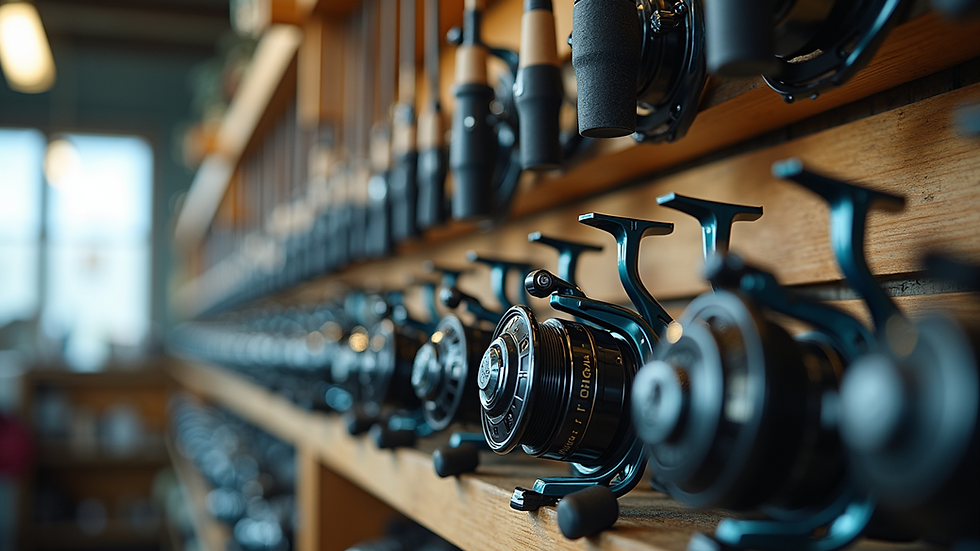
There are spinning reels, baitcasting reels, and spincast reels. Spinning reels are beginner-friendly and versatile. Baitcasting reels offer more control and power but require practice. Spincast reels are simple but less durable.
3. Select the Right Line
Monofilament lines are affordable and stretch a bit, making them forgiving. Braided lines are stronger and thinner but less stretchable. Fluorocarbon lines are nearly invisible underwater, great for clear water fishing.
4. Don’t Forget Terminal Tackle
Hooks, sinkers, bobbers, and lures complete your setup. Match your hooks and lures to the fish species and water conditions. For example, soft plastic lures work well for bass, while metal spoons attract saltwater fish.
5. Invest in Quality Accessories
A good tackle box, pliers, a fishing net, and polarized sunglasses make your fishing trips easier and more enjoyable.

What is the Best Gear for Fishing?
There’s no one-size-fits-all answer to the best gear for fishing. It depends on your goals and environment. However, I can share some general recommendations that work well for many anglers on Long Island’s waters.
Rod and Reel Combo: A medium power, 7-foot spinning rod paired with a spinning reel is a versatile choice. It handles a variety of fish species and is easy to use.
Line: A 10-15 lb monofilament or braided line is a good starting point. It balances strength and casting distance.
Lures: Start with a mix of soft plastics, crankbaits, and metal spoons. These cover different depths and fish behaviors.
Terminal Tackle: Use size 2-4 hooks and split shot sinkers for general fishing.
As you gain experience, you can customize your gear to match specific techniques like fly fishing, trolling, or surfcasting.
How to Maintain Your Fishing Gear
Taking care of your gear extends its life and keeps it performing well. Here’s what I do after every trip:
Rinse rods, reels, and lures with fresh water to remove salt and dirt.
Dry everything thoroughly before storing.
Lubricate reel parts regularly.
Check lines for frays and replace if needed.
Organize tackle boxes to avoid losing small items.
Proper maintenance saves money and frustration in the long run.

Where to Find the Right Fishing Gear on Long Island
Finding the right gear locally means you get expert advice and support. South Shore Marine Supply is a great place to start. They offer a wide selection of rods, reels, lines, and accessories tailored for Long Island’s fishing conditions. Plus, their knowledgeable staff can help you choose gear that fits your style and budget.
Shopping local also means you can get hands-on with the gear before buying and access repairs or upgrades easily.
Getting Ready for Your Next Fishing Trip
Once you have your gear sorted, it’s time to plan your trip. Check local fishing reports to know what’s biting and where. Pack essentials like sunscreen, water, snacks, and a first aid kit. Dress in layers and bring rain gear if needed.
Remember, fishing is about enjoying the experience as much as catching fish. With the right gear and preparation, every trip can be a success.
Choosing the right fishing gear is a rewarding process that sets you up for many great days on the water. Take your time, ask questions, and don’t be afraid to try new things. Whether you’re casting from a boat or the shore, the right setup makes all the difference. Happy fishing!

Comments